Sho-Bans in the Spotlight: Sacred Wisdom Weavers project leading youth into the future
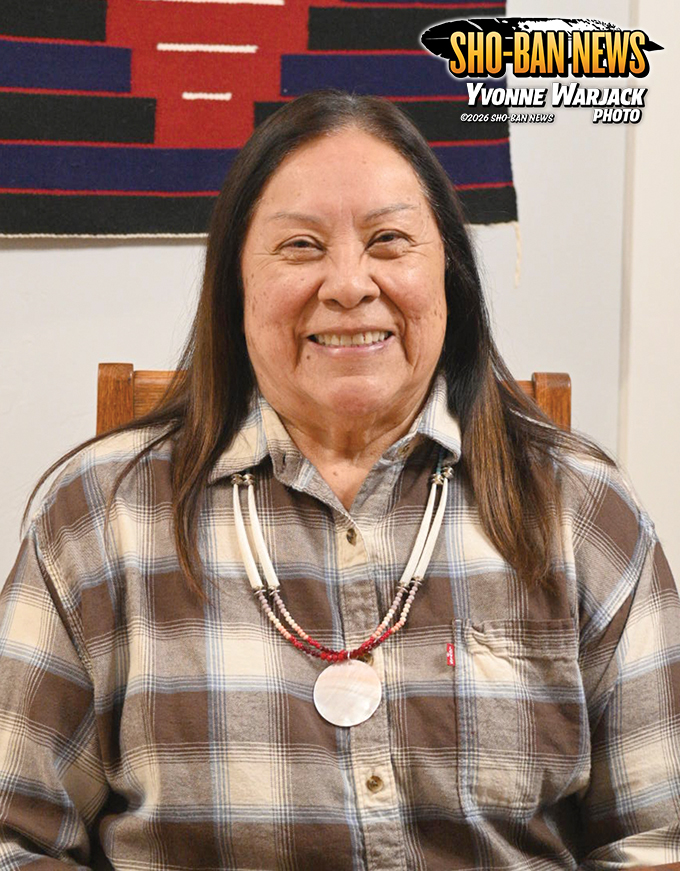
Sacred Wisdom Weavers youth project coordinator and leader Jeanette Wolfley.
By YVONNE WARJACK
Sho-Ban News
FORT HALL — A year-long youth project at Fort Hall combined climate education, cultural teaching, land-based learning, and intergenerational leadership to help young people explore the connection between environmental change and Shoshone-Bannock homelands.
The project, known as Sacred Wisdom Weavers – also described by organizers as Sacred Wisdom Keepers during its development — was led by Jeanette Wolfley through the Spirit Aligned Leadership program, Circle 6, with Yvonne Warjack serving as Future Legacy Leader. The effort was supported by Align Spirit, an initiative of the Rockefeller Foundation focused on climate change in Tribal communities across the United States.
Jeanette Wolfley, Shoshone-Bannock Tribes and Fort Hall resident said the project began after she was contacted by a Northern Cheyenne colleague involved with Align Spirit. Fort Hall was selected, she said, because of its large land base, treaty history, living traditions, language speakers, and traditional knowledge holders. The project worked primarily with youth ages from 15 to 19, including members of the Fort Hall Youth Council.
The project combined environmental education with traditional knowledge and land-based learning experiences designed to help students understand how environmental changes affect tribal homelands, traditional foods, and cultural practices. Activities began in March 2025 when organizers met with approximately 18 youth and introduced the project. During the meeting, Warjack presented information on climate change and tribal communities, helping students begin discussions about environmental changes affecting Fort Hall.
Cultural consultant Audrey Ponzo also shared tribal stories about the wind and planting seeds, connecting seasonal teachings with the environment and traditional knowledge. In April, students examined the impacts of pollution and solid waste on the reservation. To mark Earth Day, the group organized a community cleanup on April 26, collecting trash along roadways throughout the Fort Hall area. In May, the youth studied tribal homelands outside the present-day Fort Hall Reservation, the Fort Bridger Treaty of 1868, and the structure of tribal government. The group then traveled to Camas Prairie, an ancestral gathering area where Bannock and Shoshone families historically harvested camas roots and other plants. Before the trip, students participated in a workshop led by tribal members who demonstrated how to make bodos, traditional digging sticks made from chokecherry wood. The students used natural materials and traditional methods to shape and cure the sticks.
During the two-day field trip, students also visited a Nature Conservancy preserve, where they participated in a habitat conservation lesson. In the evening, a campfire gathering included storytelling from Ponzo about ceremonial plants such as sage, cedar, and tobacco. The following day, the youth met with a tribal member who holds a doctorate in environmental science and works on camas preservation projects. After a prayer, students gathered camas using their digging sticks, learning about traditional food harvesting and treaty-protected gathering rights. In June, the youth began preparing a presentation on Fort Hall’s plants, animals, and environmental changes for the UNITY Conference, a national Native youth gathering held in San Diego, Calif. As part of the project’s educational materials, Warjack and Ponzo also created flash cards featuring plants and animals in the Shoshone and Bannock languages.
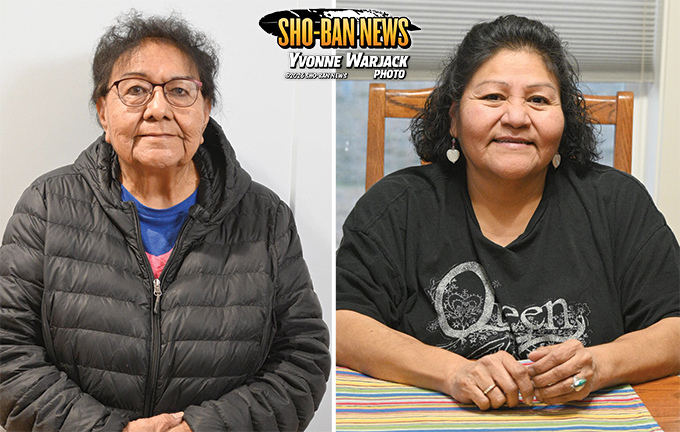
From left, Sacred Wisdom Weavers cultural consultant Audrey Ponzo and Lorraine Eschief.
In July, students traveled to Virginia City, Montana, another ancestral homeland area associated with an 1868 treaty. There they visited culturally significant locations, including a historic campsite used by Shoshone and Bannock bands traveling between Yellowstone and Idaho. The visit included a morning prayer service honoring tribal ancestors.
During the same month, a former tribal leader spoke with students about tribal sovereignty, the Tribal Constitution, and past leadership decisions related to mining, agriculture, and land use. The discussion examined how those decisions affected tribal lands, water, plants, and wildlife habitat. Additional field trips took students to a phosphate mining area on the reservation, where they observed environmental impacts caused by mining activity. The trip also included a hike to nearby pictograph sites where students learned about cultural messages left by ancestors.
Later in August, students traveled to an ancestral homeland area near the Nevada border to gather pine nuts, a traditional seasonal food historically collected in preparation for winter. Community member Lorraine Eschief, who assisted with the project, said many of the youth were visiting some of the locations for the first time and learning about plants, traditions, and environmental conditions across the region.
Throughout the year, the project focused on several key themes, including tribal sovereignty, environmental stewardship, cultural life ways, Indigenous education, and the protection of ancestral homelands. Students participated in hands-on activities such as plant gathering, storytelling sessions, cleanup efforts, cultural site visits, and environmental discussions with elders and tribal leaders.
Participants also observed examples of environmental change during their travels. At Camas Prairie, students learned about invasive species affecting native plants. During visits to mining areas and restoration sites, they observed how industrial activity can affect water, vegetation, and wildlife habitat. The youth later shared their project at the UNITY Conference, where they presented information about climate change and environmental issues affecting Fort Hall through an interactive presentation for Native youth from tribes across the United States.
Project activities resulted in several educational and cultural materials, including climate presentations, environmental language flash cards, photographs, curriculum materials, cedar prayer bags, and traditional digging sticks created by the students. Organizers said coordinating field trips around seasonal harvesting periods, weather, and student schedules presented logistical challenges during the project. Sacred Wisdom Weavers brought together youth, elders, cultural practitioners, and community leaders in a collaborative effort focused on land, culture, and environmental learning. Through field experiences, storytelling, and cultural teachings, the project connected students with traditional knowledge and environmental issues affecting tribal lands today.